Why Is My Dishwasher Tablet Not Dissolving in Hard Water?

When your dishwasher tablet isn’t fully dissolving during a cycle, the issue might not be the tablet itself—it could be your water. Hard water is a common culprit that hinders detergent efficiency, causes residue on dishes, and reduces the life span of your dishwasher. In this article, we’ll dive into how hard water affects dishwashing tablets, how you can test and treat hard water, and what detergents work best under these conditions. Plus, we’ll share maintenance tips to keep your machine running at its best.
What Is Hard Water and How Does It Affect Dishwasher Tablets?

Hard water contains high levels of minerals—mainly calcium and magnesium. These minerals aren’t harmful to your health, but they can seriously interfere with the effectiveness of your dishwasher. When hard water meets dishwashing detergent, it forms mineral deposits that can:

  • Prevent the dishwasher tablet from fully dissolving

  • Leave chalky white spots on glassware

  • Create buildup on the internal parts of your dishwasher

  • Cause poor rinse performance

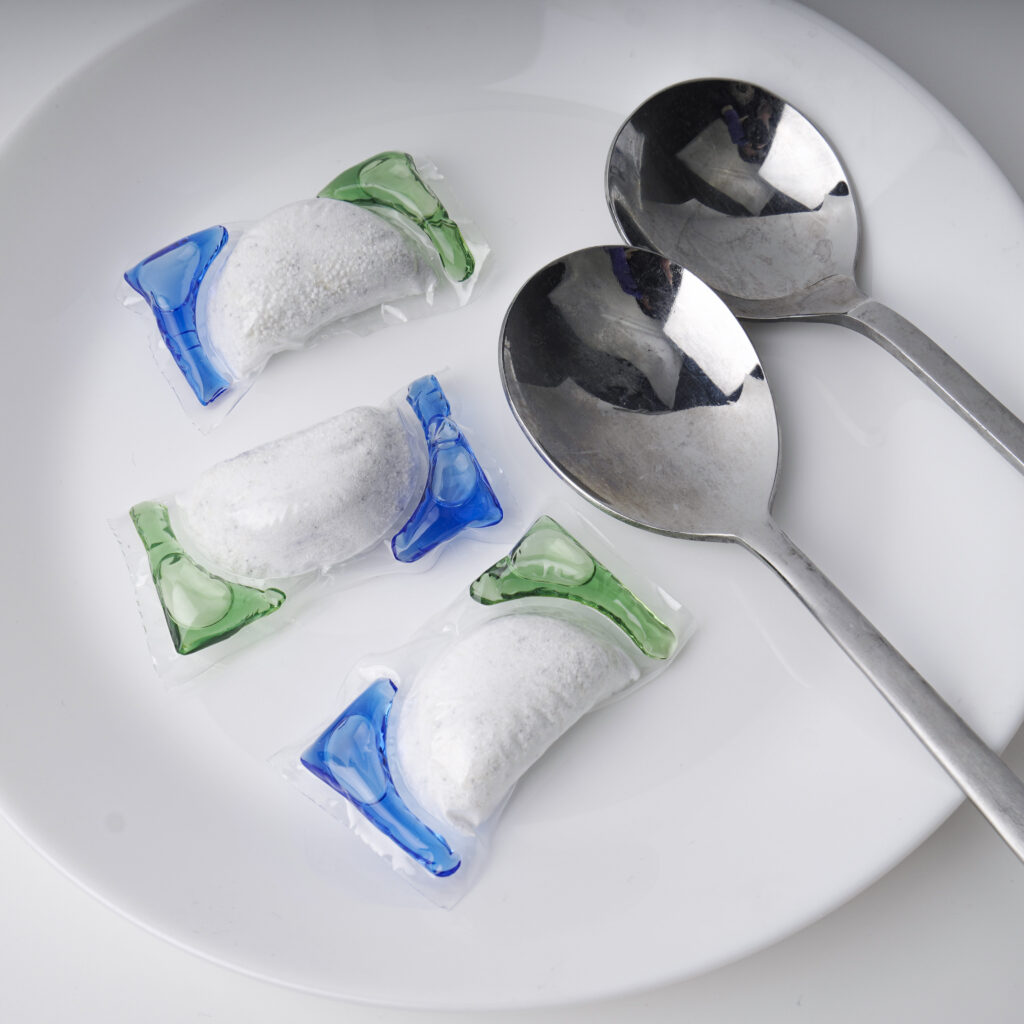
Over time, these issues reduce both cleaning power and energy efficiency. If you’ve ever found a half-melted detergent tablets dishwasher stuck in the detergent dispenser or at the bottom of the machine, your hard water is likely to blame.

Some consumers opt for natural dishwasher tablets to avoid synthetic additives, but these too can underperform in hard water if not properly formulated. Even premium eco friendly dishwasher tablets need soft water to activate properly and do their job.

Dishwasher Tablet

How to Test and Soften Hard Water at Home

Before investing in different types of dishwasher products, it’s important to confirm whether hard water is the real issue. Here’s how to find out:

1. Soap Lather Test:

Fill a bottle halfway with water and add a few drops of liquid soap. Shake it. If there’s a lack of foamy bubbles and the water looks cloudy, you probably have hard water.

2. Water Hardness Test Strips:

Widely available online or in home improvement stores, these strips give you a clear measure of how hard your water is, often in parts per million (ppm) or grains per gallon (gpg).

3. Local Water Reports:

Your municipal water provider may publish annual water quality reports. Look for calcium or magnesium levels to assess hardness. Once confirmed, you can take action:

A. Install a Water Softener:

For a long-term solution, consider installing a whole-home or under-sink water softener. These systems use ion exchange to remove hardness minerals.

B. Use Rinse Aids or Water Conditioners:

Some rinse aids help neutralize minerals in hard water, improving detergent performance and leaving dishes spot-free.

C. Switch to Tablets Designed for Hard Water:

Many fragrance free dishwasher tablets and eco friendly dishwasher tablets include built-in water softeners. Look for products labeled “suitable for hard water.”

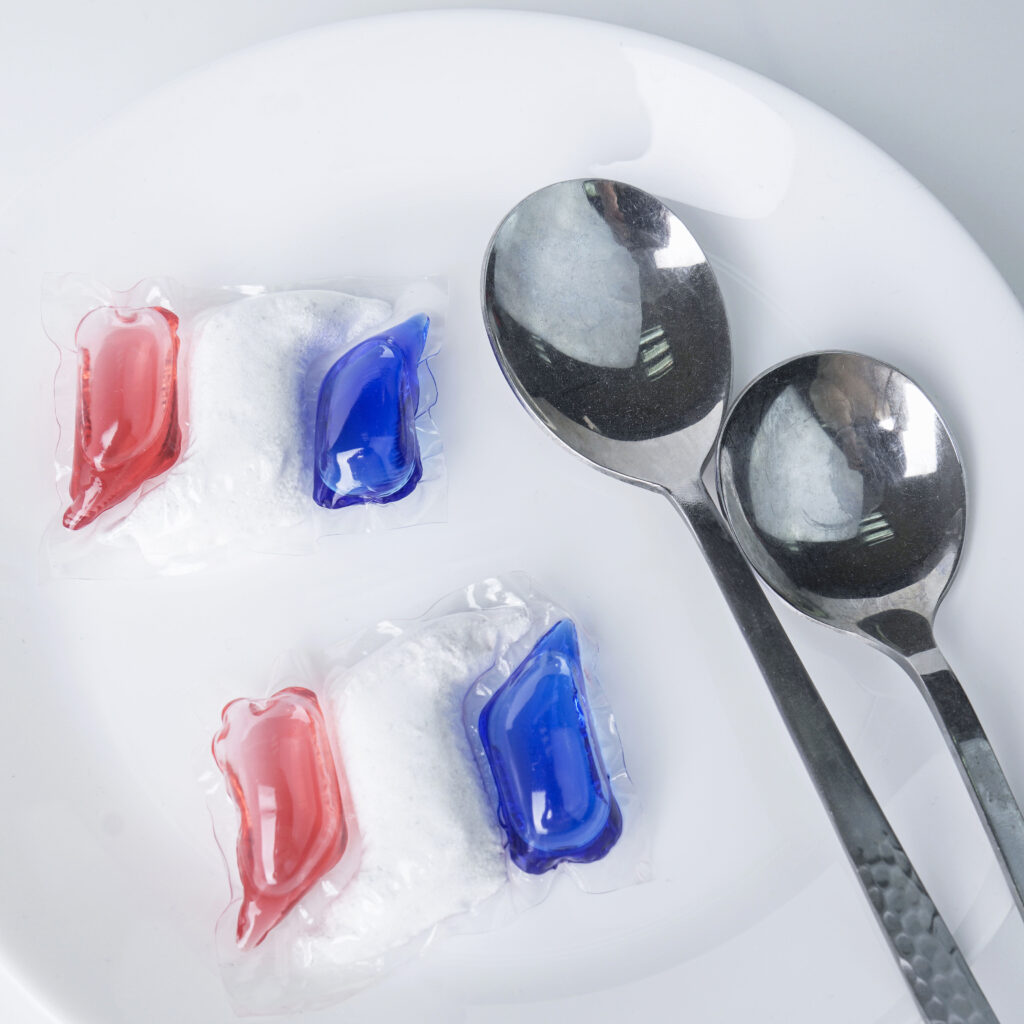
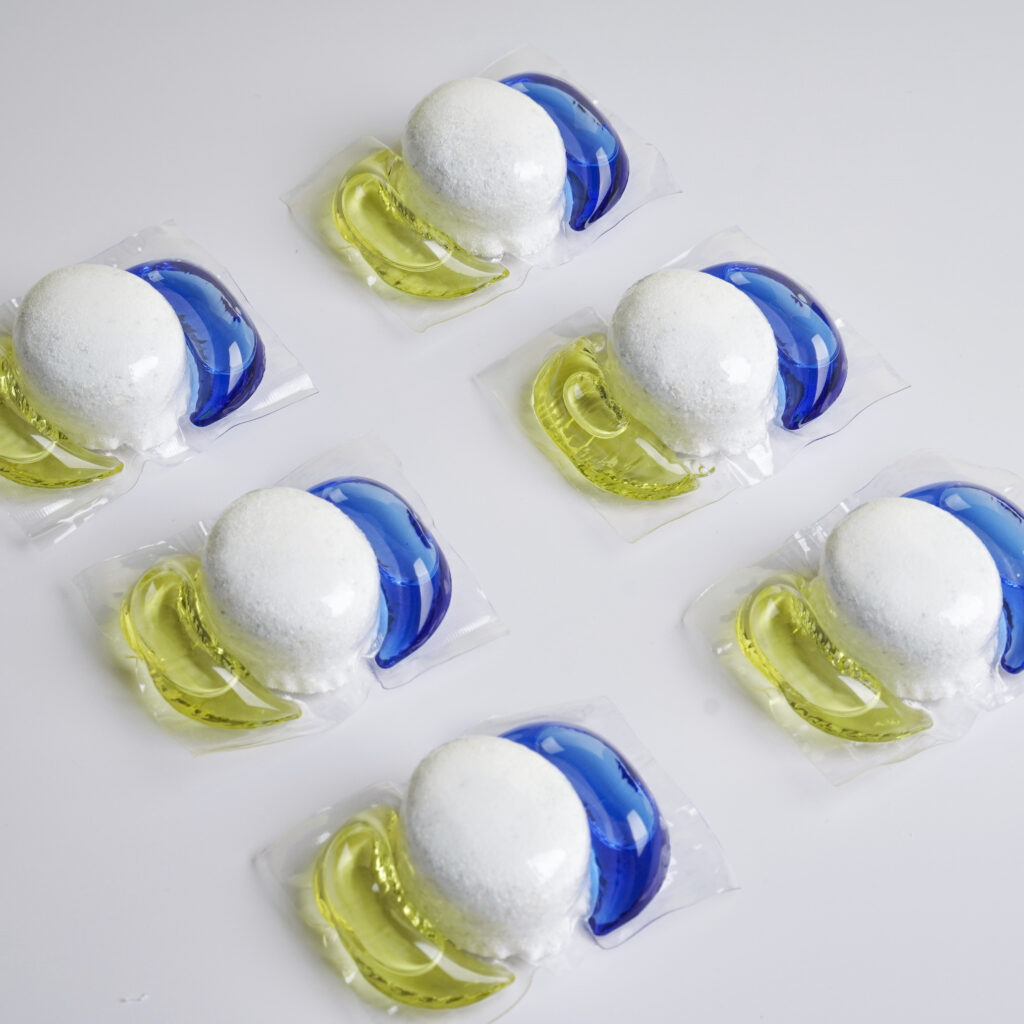
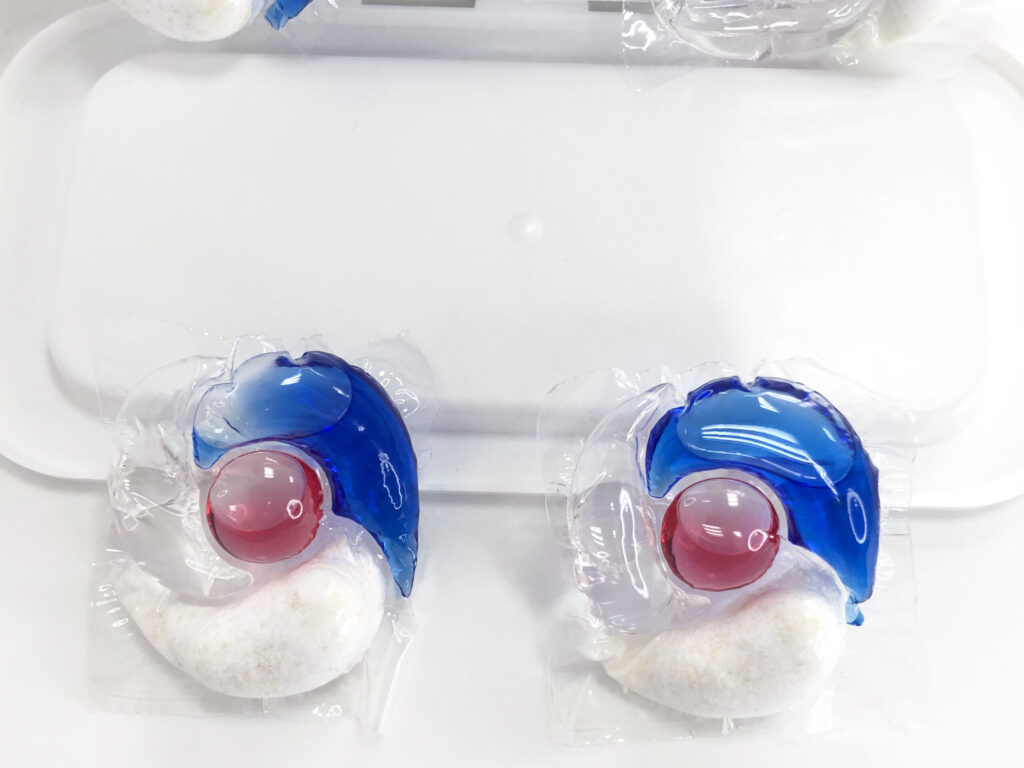
yicun Dishwasher Capsules: Single Chamber
yicun 3 in 1powder with liquid

Best Dishwasher Detergents for Hard Water Conditions

Not all dishwashing products are created equal, especially when hard water is involved. Choosing the right detergent tablets dishwasher can make a big difference in performance and machine health. Here’s what to look for:

1. Built-in Water Softening Agents:

Choose tablets that contain sodium citrate or other chelating agents that bind with calcium and magnesium. These help break down mineral deposits before they interfere with your cleaning cycle.

2. Multi-Action Formulas:

Some of the best options combine cleaning power, rinse aid, and softeners into a single tablet. These are convenient and effective in hard water environments.

3. Fragrance-Free Options:

If you’re sensitive to scent or want a cleaner formula, fragrance free dishwasher tablets are a smart choice. They reduce unnecessary additives, which can sometimes interact poorly with minerals in hard water.

4. Eco-Friendly and Natural Choices:

Environmentally conscious users may prefer natural dishwasher tablets that use biodegradable ingredients. These can be effective when paired with soft water or a good rinse aid.

5. Dedicated Cleaning Tablets:

To maintain performance, use a dishwasher cleaning tablet or dishwasher cleaner tablet monthly. These products remove buildup in the spray arms, filters, and drain lines—places where hard water minerals often collect.

Final Thoughts

If you’re struggling with dishwasher tablets that don’t dissolve properly, hard water is a likely cause—but not an unsolvable one. Testing your water hardness and choosing the right products—from fragrance free dishwasher tablets to a reliable dishwasher cleaning tablet—can greatly improve cleaning performance and prolong the life of your dishwasher.

As a dishwashing pods manufacturer, we understand the chemistry behind every tablet. Whether you’re looking for eco friendly dishwasher tablets, natural dishwasher tablets, or customized solutions for hard water conditions, choosing the right formulation matters. With the right approach, even the hardest water can’t stand in the way of a spotless, streak-free shine.

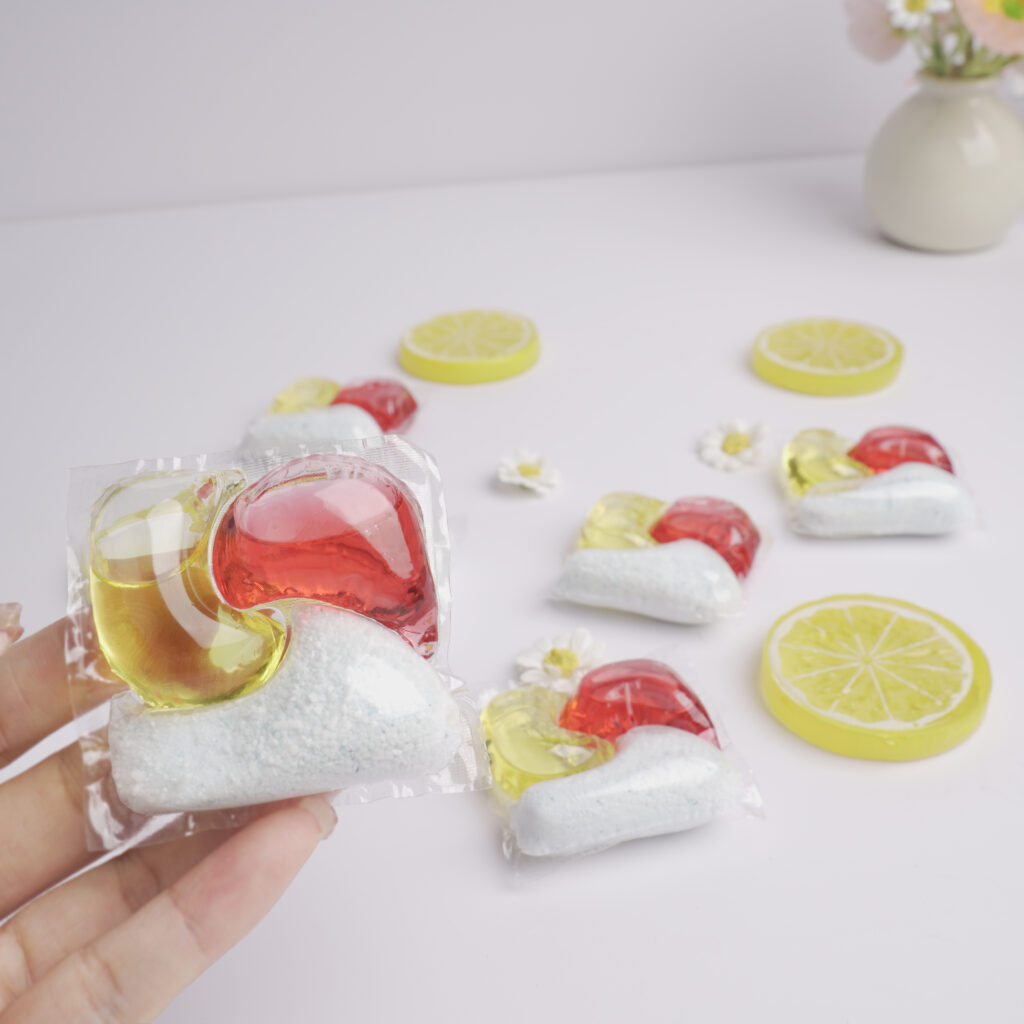
yicun 3 in 1powder with liquid